 EN

Rock Wool vs Fiberglass Insulation: Which Material Fits Your Wall System?
When a buyer asks about rock wool vs fiberglass insulation, the useful answer is rarely a universal winner. The better question is which material fits the wall assembly, exposure conditions, fire strategy, acoustic goals and installation scope. For procurement teams, that shift matters: insulation is not only a material line item; it interacts with the substrate, facings, fasteners, joints, openings and project documents.
So before comparing panels, clarify what the wall needs to do. Is the priority a fire-conscious envelope concept, thermal control, sound attenuation, a lightweight retrofit, a factory-built panel system, or a combination of these? A responsible selection starts with those conditions rather than a single data-sheet number.
Start the Rock Wool vs Fiberglass Insulation Comparison with the Wall Assembly
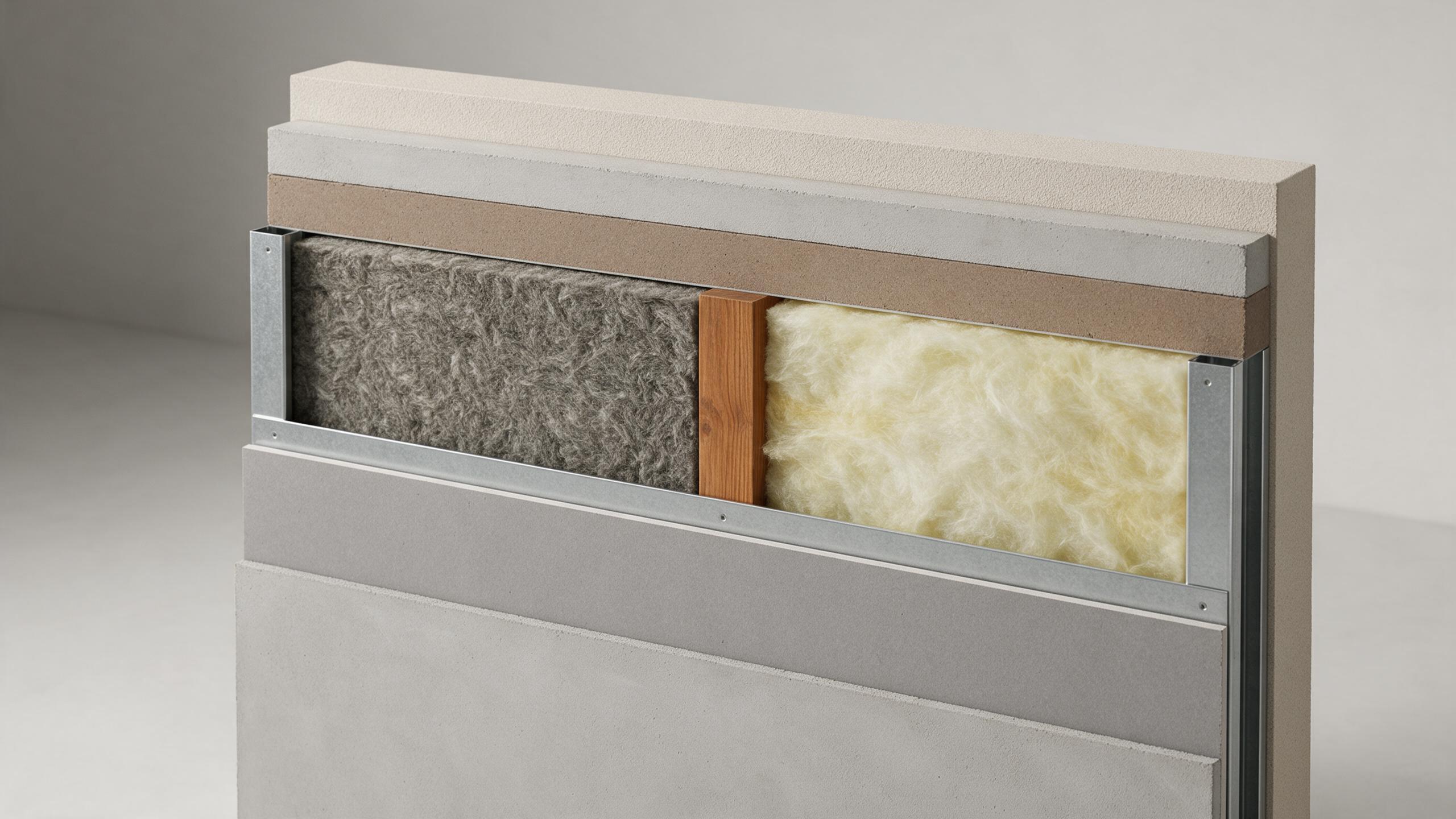
Rock wool and fiberglass are both fibrous insulation families, and both can appear in building-envelope work. Their suitability depends on the tested product, its facing or binder, panel construction and the complete assembly. It is not just a panel-selection question; more precisely, it is an assembly and connection question.
For a like-for-like comparison, place the two options against the same brief:
- the wall type and substrate;
- indoor or outdoor exposure and moisture-management design;
- required thermal, acoustic and fire-related criteria;
- panel thickness, facing and joint configuration;
- fixing layout, penetrations, corners and openings; and
- which documents establish the applicable project requirement.
ASTM C665 is one example of a specification that covers composition and physical properties for mineral-fiber blanket insulation used in thermal or acoustic applications. It illustrates an important procurement point: ask for the applicable product standard, declared values and test evidence for the exact product being offered. A generic material label is not a substitute for system documentation.
Compare Fire Behavior Without Treating It as a Standalone Rating
Fire performance is often the first issue in a rock wool vs fiberglass insulation discussion. General material comparisons commonly note that unfaced mineral wool and unfaced fiberglass can both be noncombustible, while mineral wool is often associated with a higher melting point. That comparison can help frame early research, but it does not determine whether a specific wall is suitable for a given project.
Why? Because a wall system also includes facings, adhesives, membranes, joints, sealants, structural members and penetrations. If a project has a fire-related requirement, request the relevant classification or test documentation for the specified assembly, then check whether its scope matches the proposed wall build-up. Do not assume an insulation core alone establishes the outcome.
Rock wool may be worth closer review where a fire-conscious sandwich-panel or façade concept is part of the brief. Fiberglass may remain appropriate where its product form, thickness, handling and documented assembly performance match the design. The decision should follow verified project requirements, not a broad claim that one material fits every project better.
Thermal, Acoustic and Moisture Questions to Put on One Sheet
Thermal resistance can vary with density, thickness, product construction, compression and installation quality. Acoustic behavior also depends on the wall layers and the continuity of the assembly. For that reason, a useful rock wool vs fiberglass insulation review compares declared values on equivalent conditions instead of copying a single figure from unrelated products.
| Decision area | What to compare | Question for the project team |
|---|---|---|
| Thermal control | Declared conductivity or resistance at the stated thickness and conditions | Are thickness, facings and installation conditions equivalent? |
| Acoustic intent | Assembly test data, cavity design and continuity around joints | Is the goal airborne-sound reduction, equipment-noise control or a different issue? |
| Moisture management | Wall build-up, vapor-control strategy, drainage and drying path | What exposure and condensation risks have been evaluated? |
| Mechanical fit | Product form, rigidity, compression resistance and compatibility with the support system | Will the material fit the designed panel, cavity or fixing arrangement? |
Have you confirmed what information the installer needs for openings and edge details? Small connections can undermine otherwise sound material choices if joint treatment, flashing, sealing or fastener locations are unresolved.
Installation and Quotation Scope Can Change the Practical Choice
In a rock wool vs fiberglass insulation evaluation, installation should not be an afterthought. Compare the offered material form, cutting and handling needs, planned fixings, tolerance for gaps and coordination with facings or weather layers. Without the project detail, it would be premature to assume one fixing approach fits every location.
For distributors and contractors, the clearest way to reduce uncertainty is to compare quotations on the same scope. Confirm whether each offer includes the insulation only or also includes facings, fasteners, joint accessories, trims, sealing, packaging, drawing review and site support. A lower material price can be difficult to interpret if these items differ.
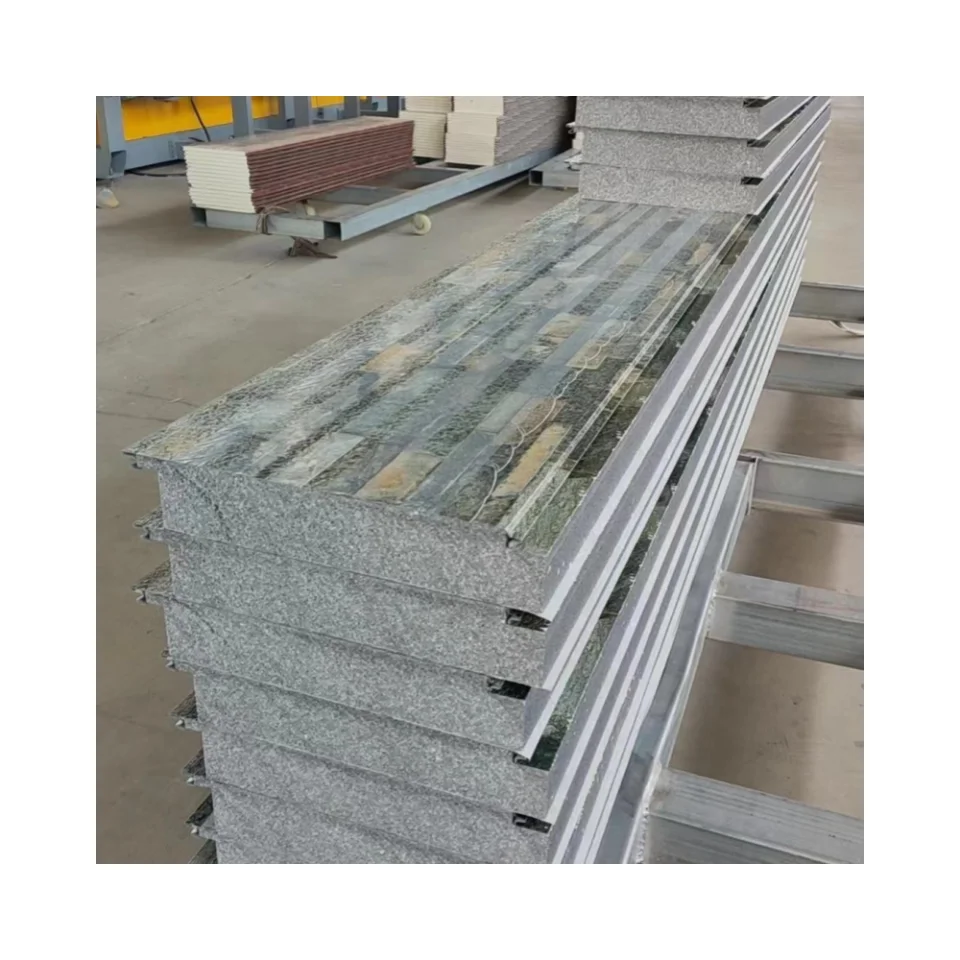
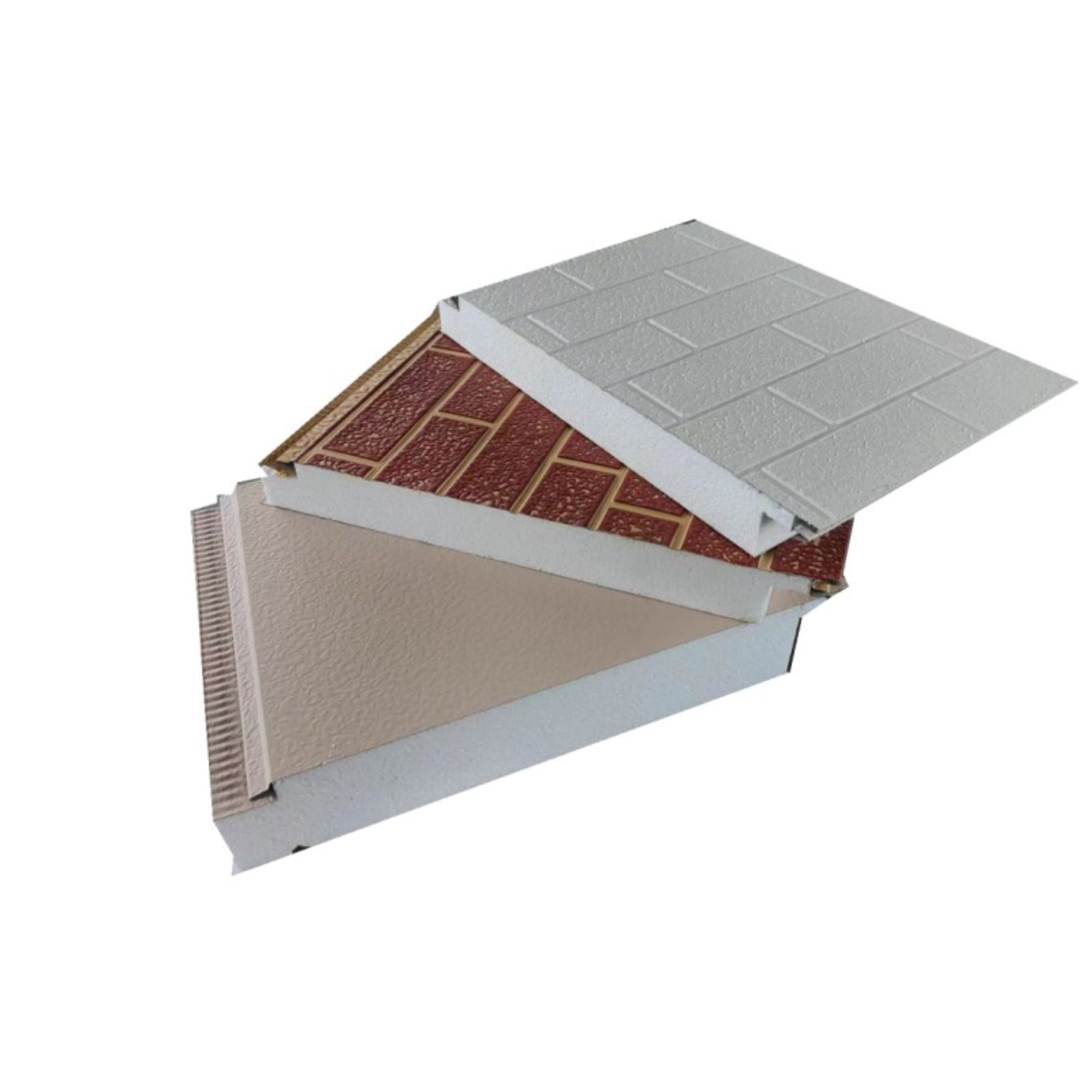
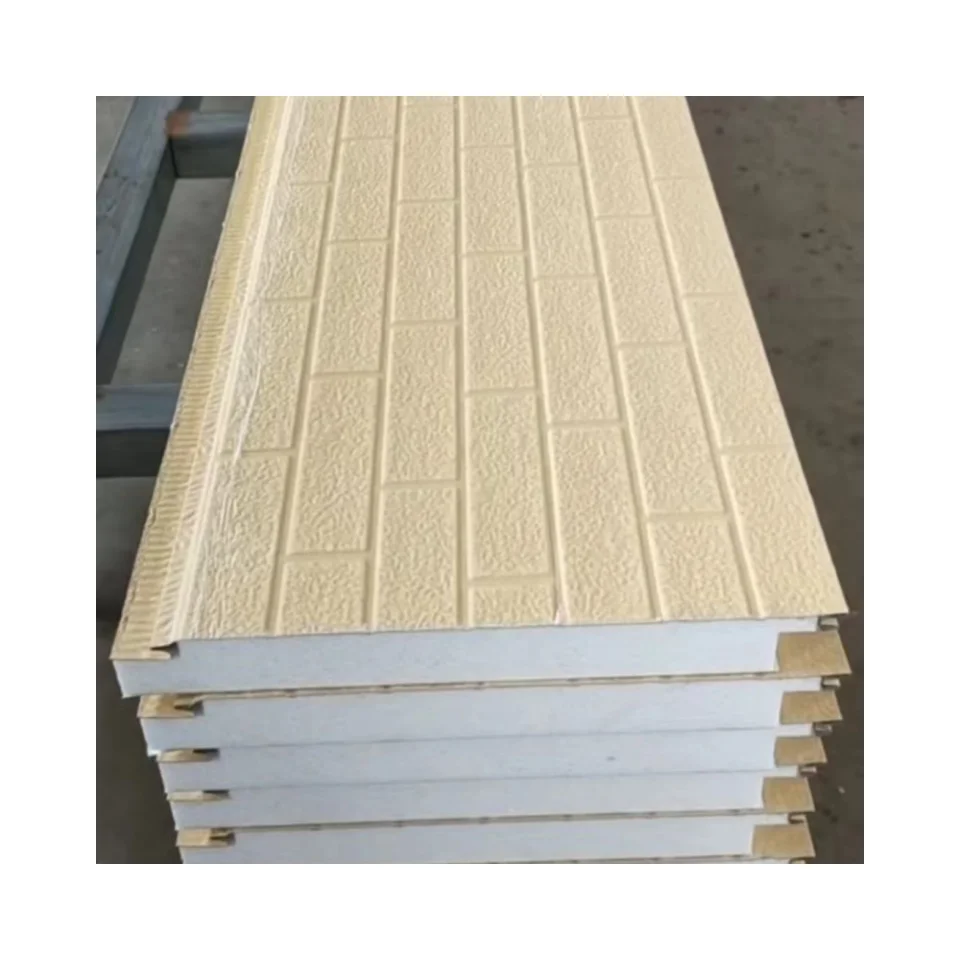
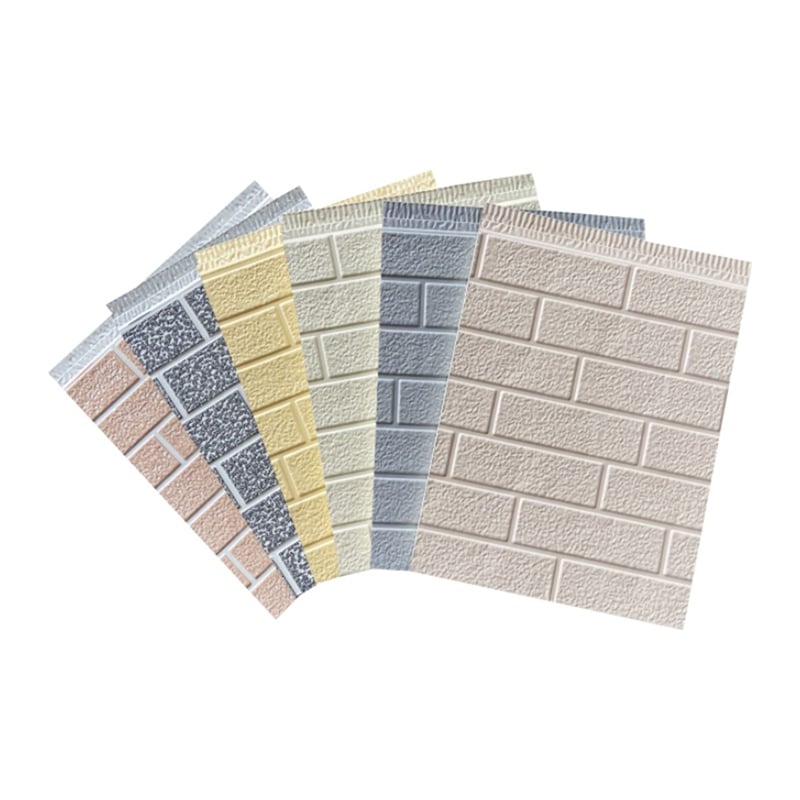
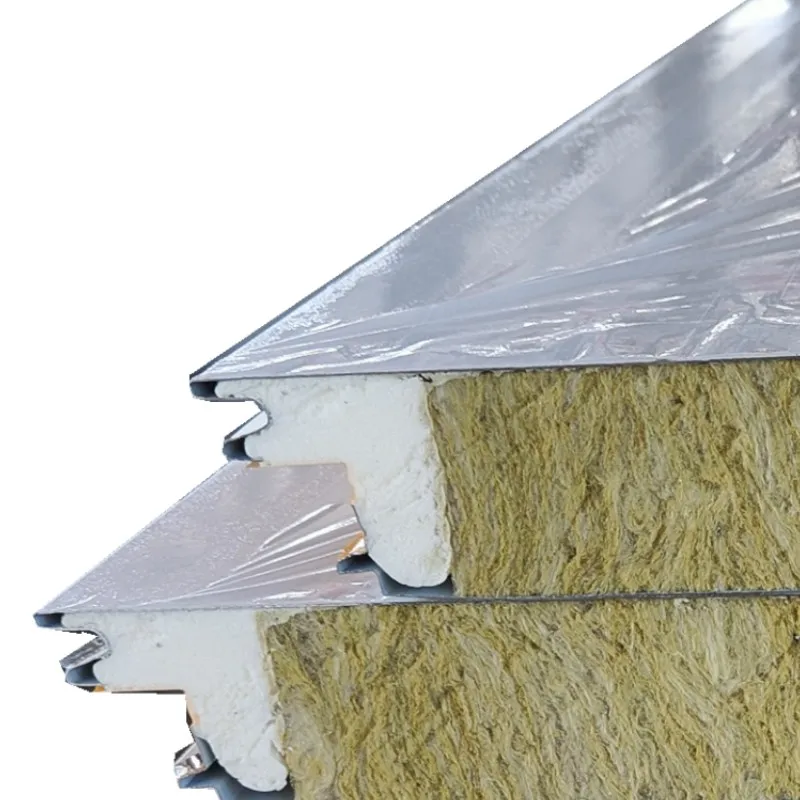
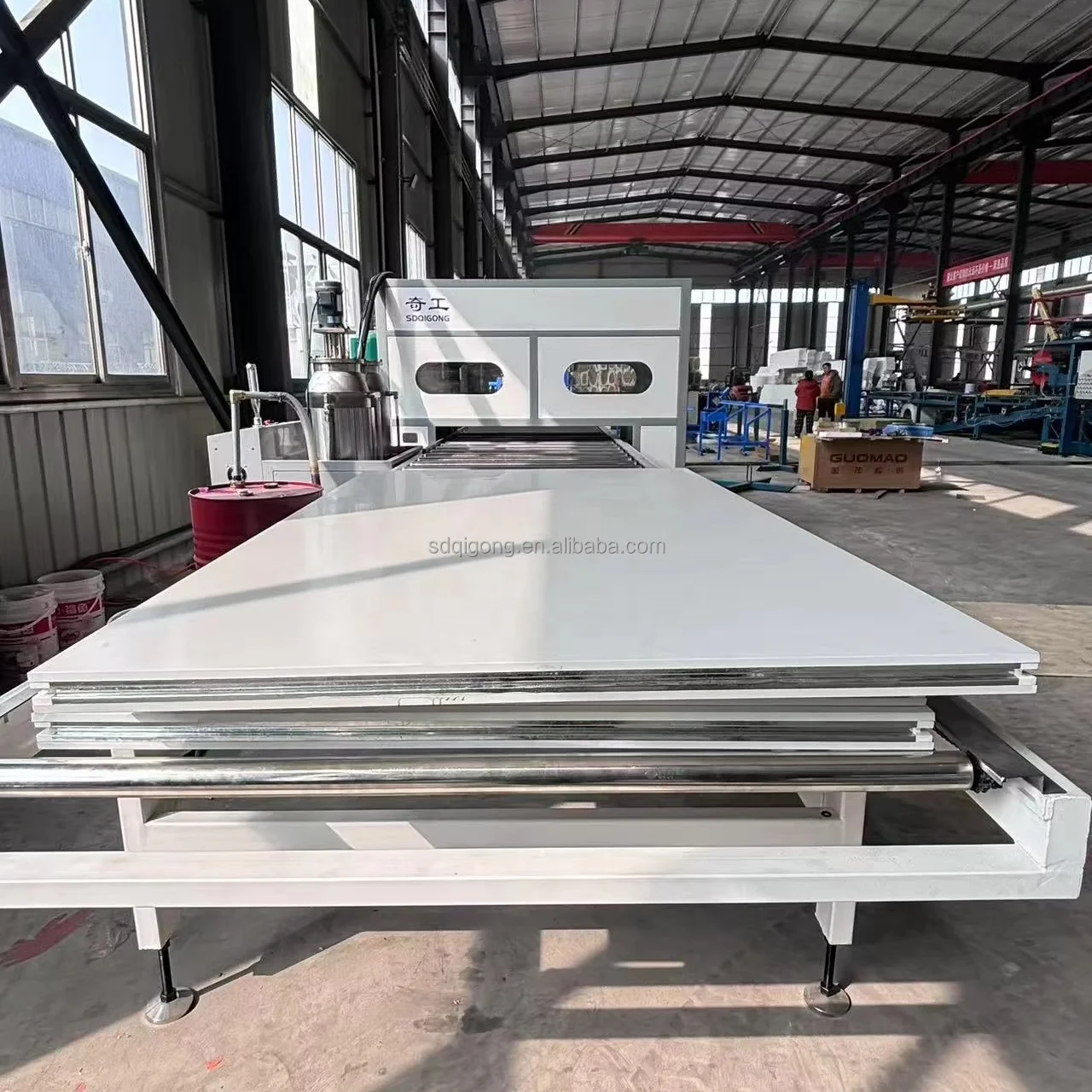
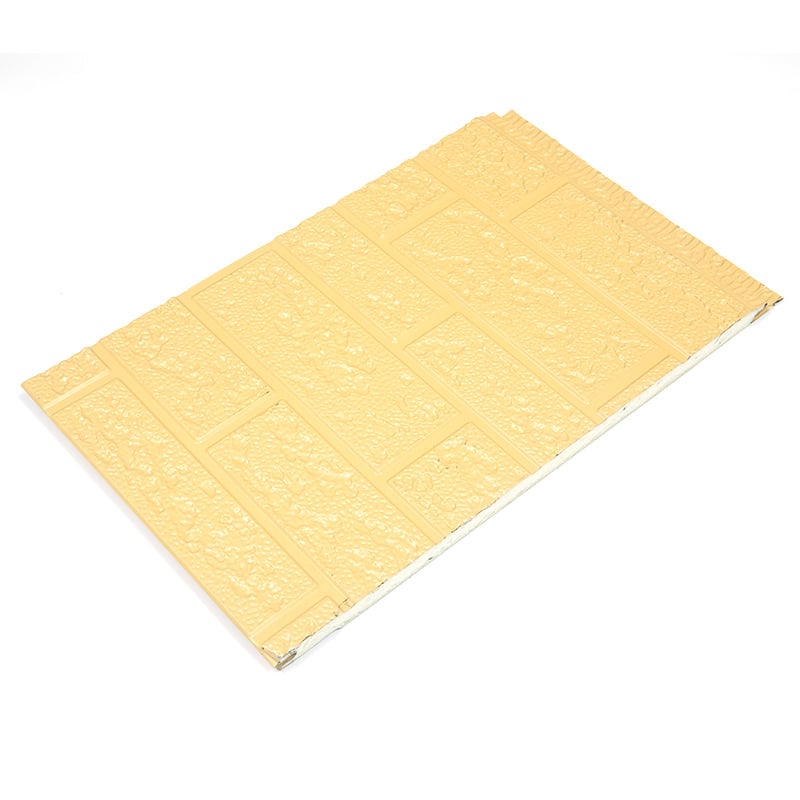
Where a factory-built wall option is being evaluated, buyers can review the available rock wool sandwich insulation board for roof and wall applications as a product-category reference. The final choice should still be checked against the project’s required assembly, documented performance and installation details.
A Practical Selection Checklist for Procurement Teams
Use this checklist before selecting rock wool, fiberglass or a panel system that incorporates either material:
- Define the wall use, exposure and project performance priorities.
- Request product data for the exact thickness, facing and intended application.
- Ask for relevant assembly-level evidence where fire, acoustics or thermal performance is specified.
- Compare wall connections: substrate, fasteners, joints, corners, openings and penetrations.
- Make quotations comparable by listing inclusions, exclusions and verification responsibilities.
- Record open questions before purchase or installation, especially where later layers will conceal the connection.
Which Material Fits Your Wall System?
The most accurate conclusion to the rock wool vs fiberglass insulation question is conditional. Rock wool may be a strong candidate when the project brief calls for a fire-conscious wall concept, a particular panel format or a documented system that uses a rock wool core. Fiberglass may fit when its product form and verified properties align with the wall design, budget scope and installation plan.
Instead of choosing from a material name alone, compare verified data on an equivalent basis and bring the wall assembly into the conversation early. That approach gives buyers, distributors and construction teams a clearer basis for selecting insulation and for identifying the details that still need qualified project review.