EN

How to Choose a Cleanroom Sandwich Panel Material
For a project buyer, a cleanroom panel is not simply a wall finish. It is part of the controlled-environment envelope: the core, face sheets, joints, openings, ceiling connections, and installation details must work together. A useful cleanroom panel material comparison starts with the room’s purpose and verification requirements, then tests each panel option against those conditions.
This approach is more reliable than looking for one universally suitable panel. Core selection can affect insulation, weight, stiffness, acoustic behavior, and the way a panel fits into a wall system. Surface selection affects cleanability and the project’s maintenance routine. The most appropriate option is the one whose documented construction and system details match the intended cleanroom zone.
Begin With the Cleanroom Area, Not the Core Name
Before comparing cleanroom sandwich panel types, define what each area needs to support. Ask whether the panel is intended for a wall, ceiling, partition, corridor, or a zone with frequent washdown, equipment movement, or service penetrations. Record expected temperature and humidity conditions, the cleaning method, surface-contact risks, opening locations, and the connections with flooring, ceilings, doors, and utilities.
These inputs keep a cleanroom panel material comparison tied to the actual assembly. They also help procurement teams avoid comparing quotations that include different joint trims, seals, facing materials, or installation scope.
Compare the Core Materials as Trade-Offs
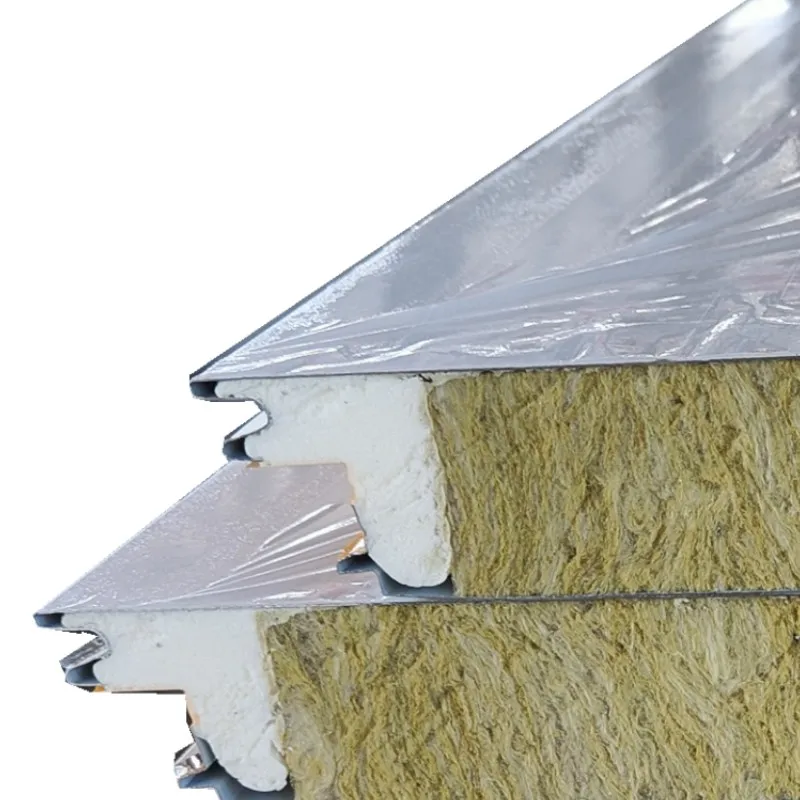
Common cleanroom sandwich panel types may use PU, EPS, rock wool, glass wool, magnesium-based boards, or other specified cores. The material name alone is not a performance conclusion. Review the supplier’s current technical documentation for the proposed thickness, density, skin combination, panel profile, and project-specific test evidence.
| Core direction | Questions to compare | Where the comparison can matter |
|---|---|---|
| PU or similar rigid foam | What insulation target, panel thickness, joint design, and facing system are proposed? | Projects balancing thermal needs, panel weight, and installation planning. |
| EPS or foam-based options | What are the specified face sheets, detailing, project requirements, and supporting documents? | Projects that need a clear scope review rather than an assumption based on a core label. |
| Rock wool or glass wool | How do density, thickness, panel weight, fixing layout, and required documentation affect the assembly? | Projects where mineral-fiber options are being assessed alongside other system requirements. |
| Magnesium-based or specialty purification boards | What surface, edge, core construction, and approved use conditions are included? | Cleanroom partitions or ceilings needing a documented, coordinated panel solution. |
In a sound cleanroom panel material comparison, use the table as a question list—not as a ranking. Core selection should be reviewed with the full system, including spans, support conditions, handling limits, penetrations, and the required cleanroom specification.
Do Not Separate the Face Sheet From Cleanability
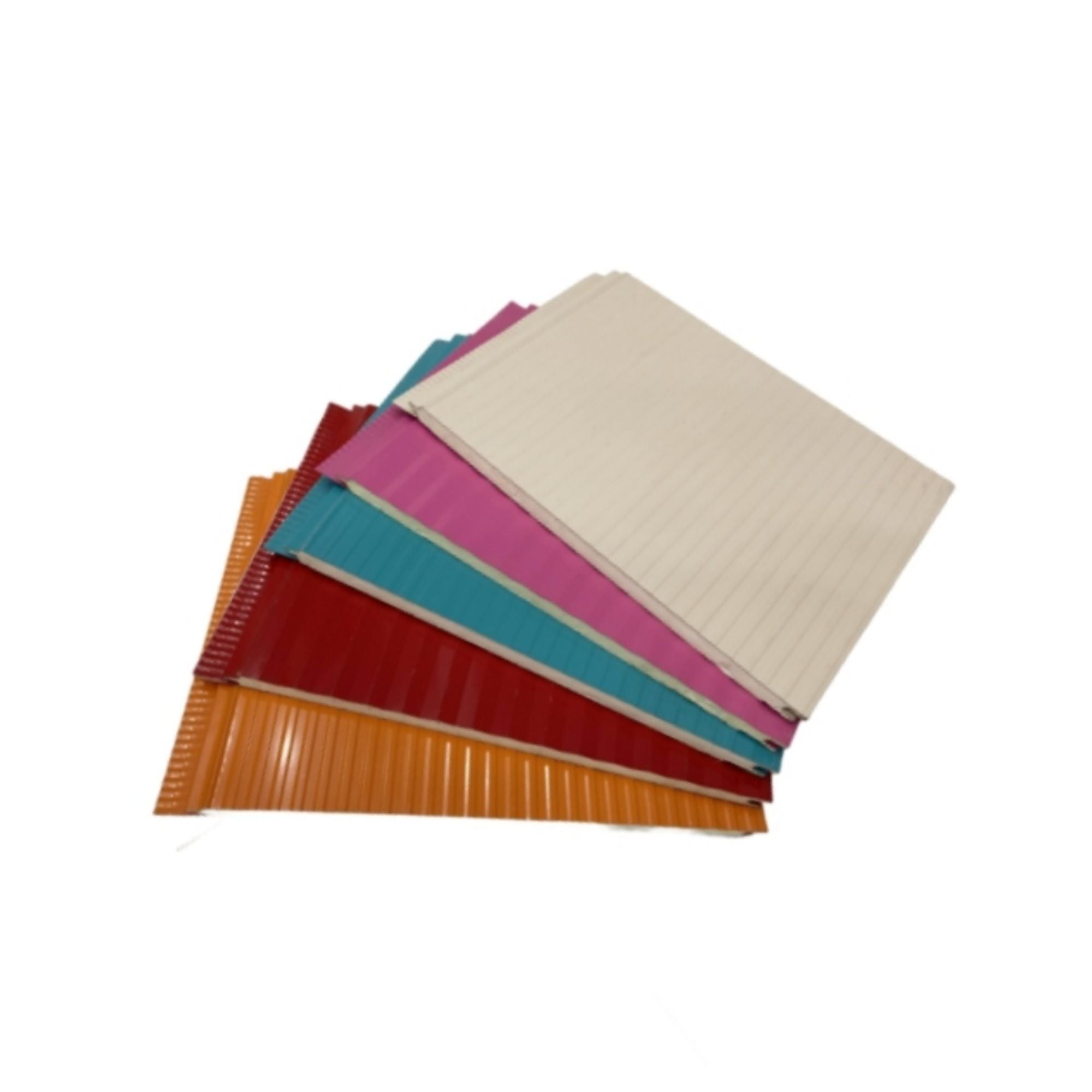
The core matters, while the visible surface is what cleaning teams and inspectors encounter. Cleanroom panel discussions commonly include pre-painted galvanized steel, powder-coated galvanized steel, and stainless-steel face sheets. Each proposed surface should be checked for the project’s cleaning chemicals, expected abrasion, required smoothness, and repair approach.
Ask suppliers to identify the face-sheet grade or coating system, thickness, protective-film handling, panel edges, and the joint treatment that will be delivered. A durable-looking face sheet can still produce a difficult connection if trims, fasteners, sealants, or cut-outs are not coordinated. This is why a cleanroom panel material comparison should include the surface-and-joint specification, not the core alone.
Review Joints, Openings, and Interfaces Before Issuing the RFQ
Many procurement problems arise when the panel itself is specified but interfaces are left vague. Prepare a simple drawing or schedule that identifies wall-to-ceiling transitions, corners, doors, windows, service penetrations, access panels, floor junctions, and any areas that must remain inspectable before later work conceals them.
- Confirm the panel module, thickness, and support or fixing responsibility.
- Request joint, corner, and opening details with the quotation.
- Define whether sealants, trims, fasteners, flashings, and cut-outs are included.
- Clarify packaging, storage, lifting, and temporary protection requirements.
- Ask which project documents or samples are needed before material approval.
These questions are especially useful for distributors and contractors who must hand information from the buyer to the installer. They turn a broad cleanroom panel material comparison into an actionable scope review.
Use a Like-for-Like Procurement Matrix
For each candidate panel, list the same fields: core type, panel thickness, face sheets, finish, joint form, edge treatment, accessories, openings, documentation, lead-time assumptions, and installation boundaries. Then mark which items are confirmed, pending, or excluded. A lower initial panel price does not automatically mean the offers are comparable if one quote excludes the trims or technical coordination needed to complete the cleanroom envelope.
A current product example is the 50mm glass wool, rock wool, PU, EPS, and magnesium purification board range for clean rooms. Its value in early selection is that it prompts buyers to compare multiple core directions against the same room-use and system-detail checklist. Final suitability should still be confirmed against the current product documents and project requirements.
How to Make the Final Selection
Choose the panel construction only after the project team can answer four questions: What must the room environment support? What face, joint, and connection details are needed for the cleaning and maintenance plan? What evidence or submittals must be reviewed? Which scope items are included in the offer?
That sequence makes a cleanroom panel material comparison clearer for purchasing, technical, and installation stakeholders. Rather than treating PU, EPS, rock wool, glass wool, or magnesium-based options as universal substitutes, match the proposed panel system to the intended use, documentation needs, and coordinated construction details.